“Hara” has multiple meanings, primarily referring to the Japanese concept of the lower abdomen as a spiritual/physical center (life-force Qi), a name for the Hindu deity Shiva (meaning “destroyer”).
“I am powerful and capable.”.
The Power of the Hara: Why Your Belly Is the True Center of You
- In a world where we are constantly “in our heads,” the wisdom of the hara—the belly centre—is a gentle yet powerful invitation to return to our bodies, to balance, and to presence. This centre, revered across Eastern traditions and increasingly acknowledged in modern science, is far more than just a physical region: it’s the seat of our intuition, grounding, vitality, and even emotional well-being.
What Is the Hara?
In Japanese, much more. It encompasses the area in and around the lower abdomen, about two inches below the navel—a region known in Zen Buddhism and martial arts as the tanden or dantian. This is considered the physical and energetic centre of gravity in the body. In Zen practice, it’s where presence is cultivated. In martial arts, it’s where power originates.
In Western terms, we might talk about the gut as the “second brain”—but many Eastern philosophies have long considered the belly to be the first brain, the place where instinct, awareness, and life-force reside.
The Hara in Cultural Contexts
In Japanese culture, hara symbolizes integrity, courage, and grounding. To “have hara” means to have guts, strength, and character.
In Traditional Chinese Medicine (TCM), the abdominal organs are closely linked with emotional and energetic flow. For example, worry is connected to the stomach and spleen, anger to the liver, fear to the kidneys. Energetic blockages in the belly often mirror emotional blockages in life.
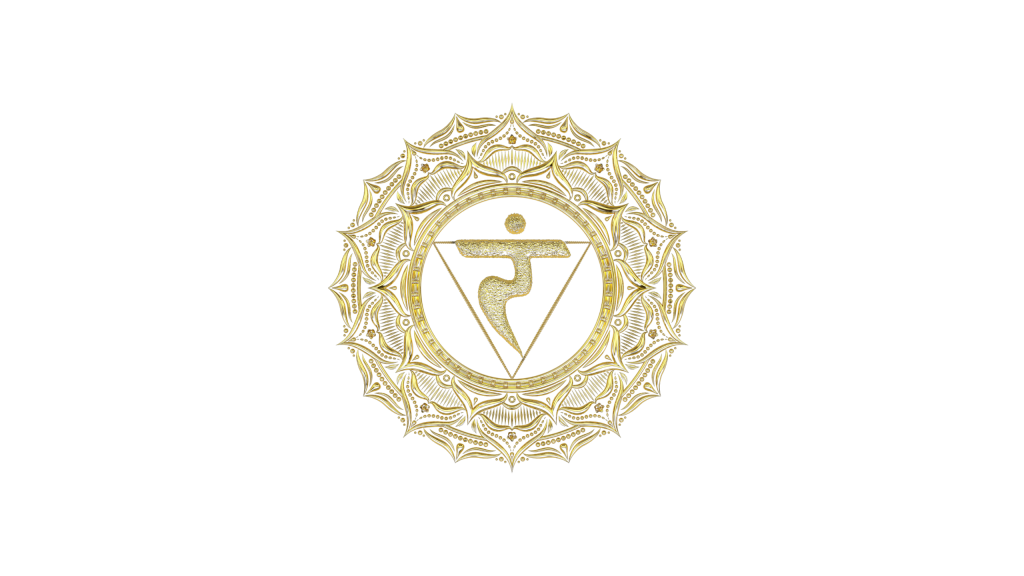
In Indian yogic traditions, this area corresponds to the Manipura chakra—associated with power, will, and transformation.
In Zen Buddhism, focusing on the tanden during meditation strengthens the mind-body connection and deepens awareness.
The Gut-Brain Connection: Science Catches Up
Modern research into the gut-brain axis has revealed what many ancient traditions already knew: our belly deeply influences our mind.
The gut houses the enteric nervous system, which has between 50–100 million neurons.
95% of the body’s serotonin (a key “happiness” hormone) is produced in the gut.
The gut is home to 100 trillion microbes that shape our emotions, decisions, and even personalities.
Emeran Mayer, author of The Mind-Gut Connection, states that our gut microbiome can influence everything from anxiety to decision-making. Remarkably, research has shown that changing the microbiome can shift personality traits—suggesting our gut truly plays a role in shaping who we are.
So when people speak of “gut feelings” or “trusting your gut,” they aren’t being poetic—they’re being biologically accurate.
Hara Practice: Living from the Belly
Hara practice is the simple, daily act of relocating your awareness from your head into your belly. This is not a mystical concept—it’s a practice rooted in embodiment, presence, and alignment.
By consistently bringing awareness to the hara:
Your posture naturally improves.
You feel more grounded and less mentally scattered.
Emotional tension softens.
Your actions flow more organically.
Decision-making becomes clearer and more instinctual.
In Reiki, this is especially present in Gassho meditation, where practitioners focus on the hara to center their energy. The hands are placed together, the mind focused inward, and attention is drawn to the tanden—allowing energy to flow from this vital center outward through the body and hands.
Abdominal Massage & Postpartum Healing: Especially After C-Section
Abdominal massage is a powerful tool to reconnect with the hara—physically, emotionally, and energetically. It’s especially beneficial for those healing from a C-section or abdominal trauma.
Here’s why:
Fascia Matters: Connective tissue (fascia) surrounds and supports our organs. Trauma or surgery can cause restrictions, tension, and emotional holding in these tissues.
Emotional Release: As TCM teaches, unresolved emotions live in the belly. Abdominal massage can trigger deep emotional release—sometimes clients cry, sometimes they feel a wave of peace.
Gut Health Recovery: After surgery, digestion and microbiome balance can be disrupted. Massage stimulates circulation and lymph flow, supporting gut healing and reducing inflammation.
Reclaiming the Body: After a birth experience that may have felt out of control, abdominal massage offers women a way to gently reclaim their body, feel safe in it again, and connect with their core.
Decision-Making from the Gut
Recent neuroscience shows what our ancestors intuited: many of our core life decisions aren’t made in the head—they emerge from the gut. This is not irrationality, but embodied intelligence.
In a society that glorifies overthinking, returning to hara-based awareness allows us to trust ourselves more deeply. We are not just our thoughts. We are organisms with complex internal ecosystems—microbial, emotional, energetic, and physical. The hara is where these layers meet.
How to Begin a Hara Practice
Daily Hara Awareness: Throughout your day, bring your awareness to your lower belly. Feel the weight, warmth, and presence there.
Meditation: Practice Gassho meditation or simply sit quietly, breathing into your belly and visualizing energy pooling at your tanden.
Posture Check: Let the belly soften. Drop the shoulders. Stand or sit tall with gravity rooting you through your center.
Massage: Gently massage your belly in circles, especially before bed. Use slow, nurturing movements. If you’ve had a C-section, wait until healing has begun and seek guidance from a practitioner trained in postnatal massage.
Move from the Hara: In yoga, dance, walking—let your movements originate from the belly, not the head or chest. Notice the change.
Closing Thoughts: Coming Home to the Center
The hara isn’t just anatomy—it’s the seat of who we are. When we live from our hara, we act from wholeness. We respond instead of react. We embody the moment.
Whether you’re meditating, massaging, moving, or making a decision—remember your hara. Trust your belly. Let your life flow from the quiet, powerful center that has always been guiding you.
You are not your thoughts. You are a whole body. And your center is not your head—it’s your hara.
Further Reading & Exploration:
The Three Pillars of Zen by Roshi Philip Kapleau
The Mind-Gut Connection by Emeran Mayer
Reiki training and abdominal massage courses
Hara and tanden-focused meditation practices
Leave a Reply